Three PhD Students Pass Their Qualifiers, and the AI Gaps They're Investigating
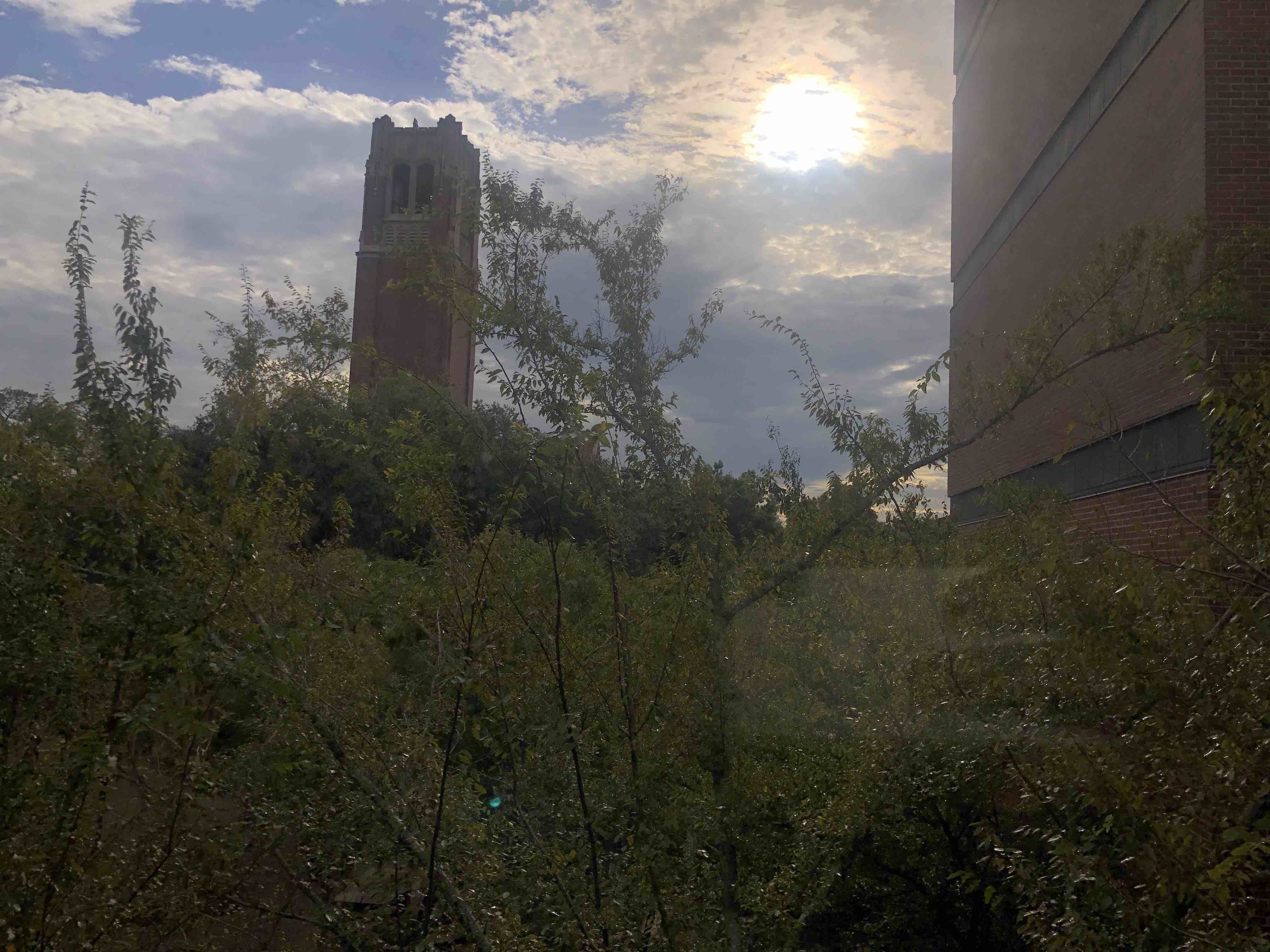
This year, three students in the UF Data Studio passed their PhD qualifying examinations. Chibuzor Okocha cleared his in the fall. Ray Chen and Christopher Driggers-Ellis followed in the spring.
Passing the qualifier is one of the big milestones of a PhD. It is the point where a research direction stops being a reading list and starts to become a dissertation. I could not be prouder of the three of them.
AI and large language models are moving quickly through a lot of fields right now. The interesting questions sit in the gaps: which kinds of data these systems handle well, where they get used in the real world, and who they still fail. Each of our three students has staked out one of these areas and started digging into exactly those gaps.
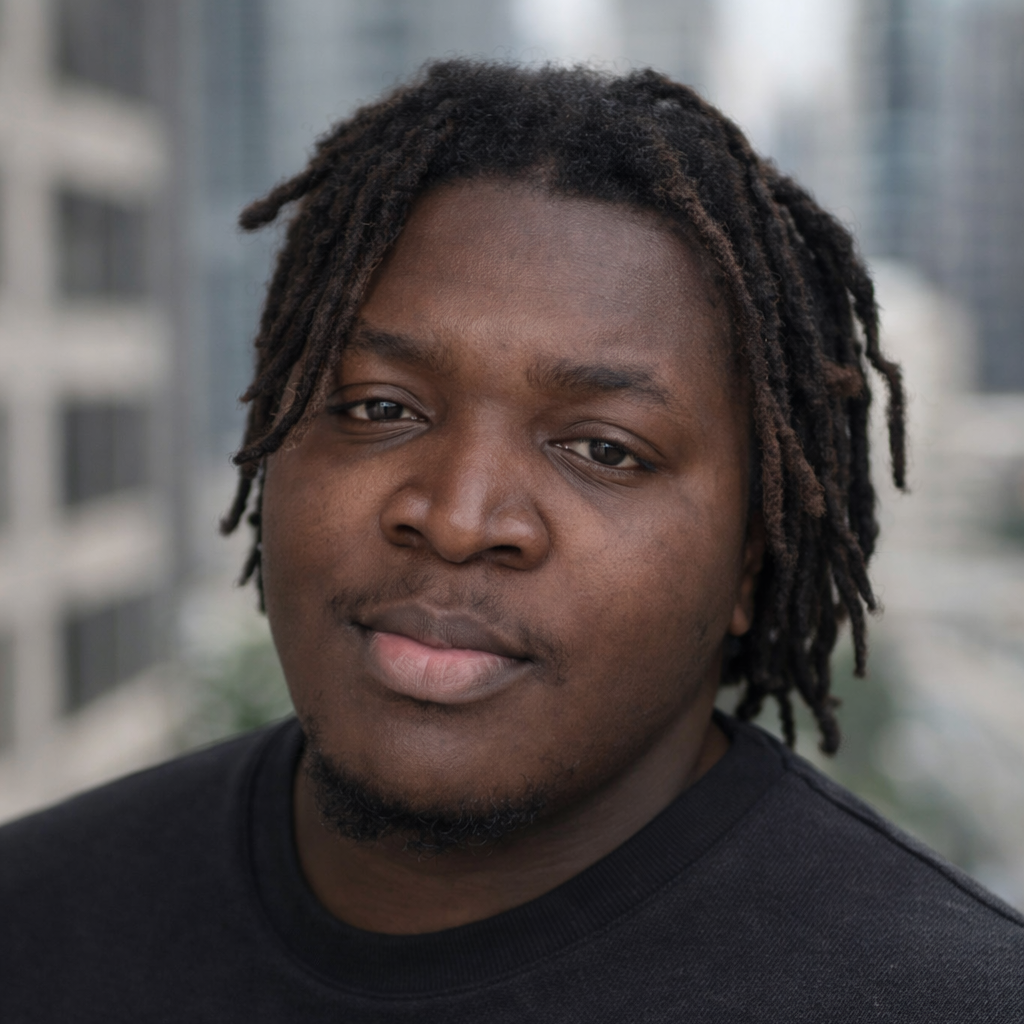
Chibuzor Okocha: helping audio AI understand more speakers
Chibuzor is a PhD student in the Department of Engineering Education, and he works on large audio language models.
These are the models behind voice assistants, dictation, captioning, and the new wave of tools that answer questions and reason directly from sound rather than from a typed prompt. The exciting shift is that a model can now listen to a recording and reason about what was said, not just transcribe it. Chibuzor works with spoken audio of many kinds, with a focus on accented and multilingual speech, recorded conversations, and people thinking out loud as they solve a problem.
Chibuzor identified that there are gaps in the voices the systems support. Audio models still perform unevenly on accented, multilingual, and non-native English, so they often misread the speakers who are already underserved. That gap matters in engineering education, where so much learning happens out loud as students explain designs and talk through their reasoning. Chibuzor studies where accented and multilingual audio trips these models, and he is working toward audio AI that widens who gets understood and makes spoken, hands-on learning more inclusive.
His published work already points this direction. He contributed to the Afrispeech-Dialog benchmark for spontaneous English conversation, and his paper Can Large Audio Language Models Understand Child Stuttering Speech? won Best Paper at the AI4CSL workshop at IEEE ASRU 2025.
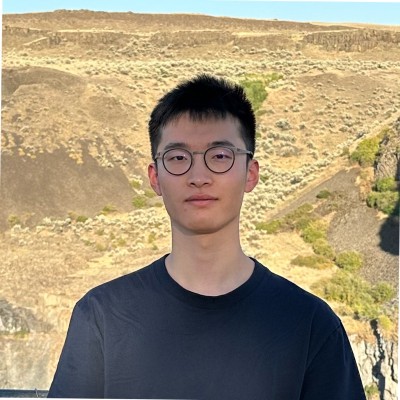
Ray Chen: making the many metrics agree
Ray is a CISE PhD student, and he studies how we measure AI for urban spatiotemporal data.
Cities now produce data without pause, and machine learning sits on top of it to forecast traffic and demand, plan transit, watch the environment, and flag anomalies early. Large language models are starting to join that pipeline as a way to interpret and explain what the numbers are doing. That data is rich and varied, spanning sensor streams, GPS and mobility traces, satellite imagery, road-network graphs, and the maps and text that describe a place.
No single number tells you whether one of these models is actually good. A model gets judged by many measures at once, including accuracy scores, anomaly-detection measures, spatial and urban-specific metrics, visual diagnostics, and language models used to read the results. The gap Ray identified is how all of those measures fit together. He studies when they agree, when they pull in opposite directions, and how to combine them so that a model praised by one metric is not quietly failing on another. The picture also shifts with the setting, so a method that looks best across a whole city can slip at the neighborhood level, or hold on an ordinary week and fail during a storm, which is exactly when the metrics have to be read together rather than one at a time.
He builds toward that goal as well. His InsightBoard tool brings multiple performance and fairness views together inside TensorBoard, so they can be compared side by side instead of in isolation.
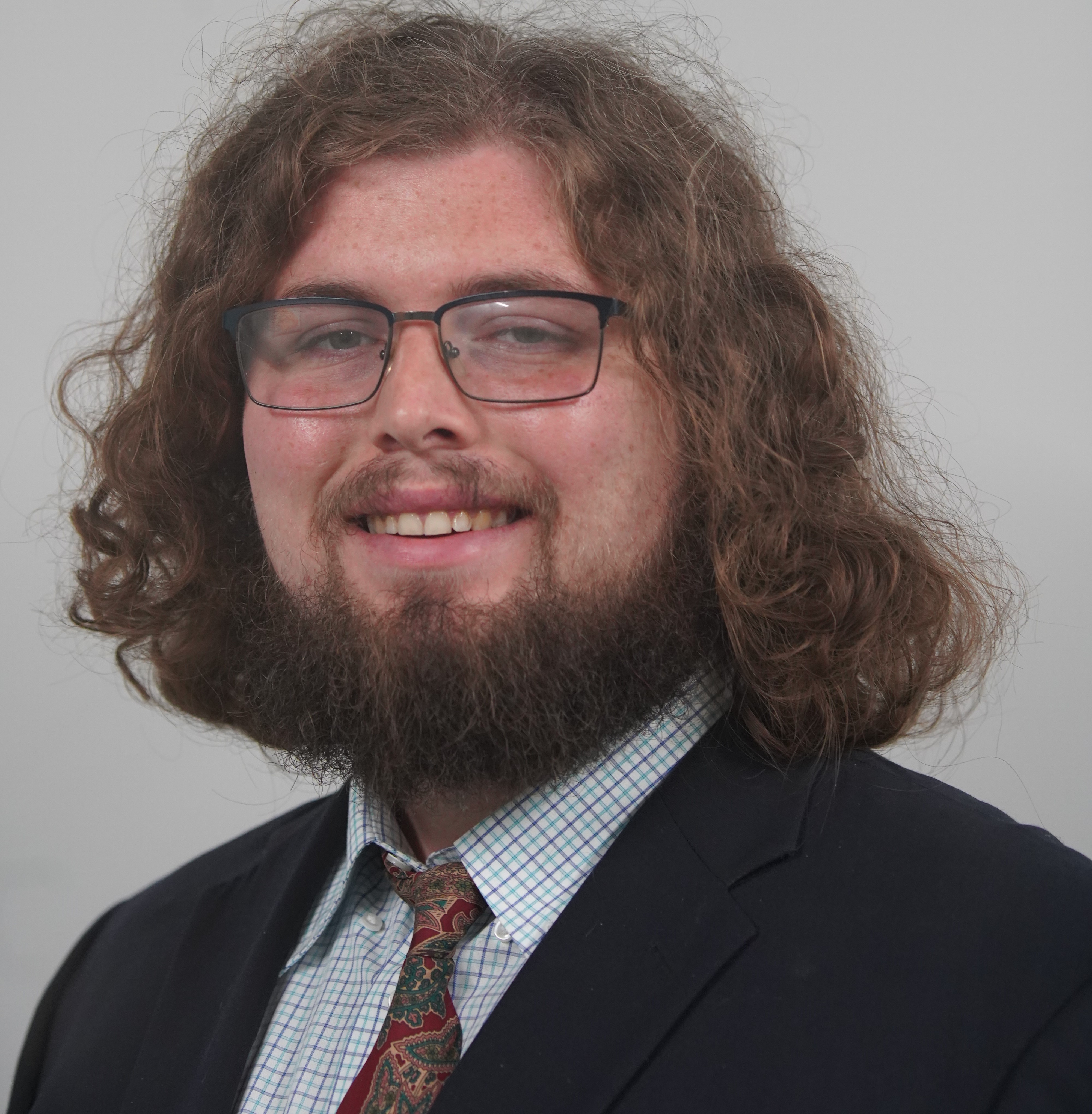
Christopher Driggers-Ellis: multimodal AI, tested on comics
Christopher is a CISE PhD student, and he works on multimodal AI, the systems that read images and language together.
This is the technology behind image captioning, document and chart understanding, and visual question answering. Christopher studies it through one of its hardest and most enjoyable testbeds: comics and manga. A comic page mixes pictures and words with conventions a model has to learn, such as the implicit order of panels, characters recognized by how they look rather than by name, and the difference between dialogue, narration, and a character's inner thoughts. That makes comics a demanding test for vision-language models in ways that clean photo-and-caption data never is.
The gap Christopher identified is how thin the foundations still are. Comic understanding has far fewer shared datasets and benchmarks than the number of methods being published, which makes it hard to say what really works or to compare approaches fairly. There is also very little work on reaching real readers, for example reading comics aloud for Blind and Low-Vision audiences. Christopher is investigating these gaps and pushing the area toward systems people can actually use.
This has grown into a real thread in the studio, with several master's students and a high-school researcher working alongside him. His OPTiCAL benchmark for vision-language models, presented at NeurIPS and ICDM workshops in 2025, carries the same instinct into another corner of multimodal AI.
What comes next
What connects the three is an instinct for finding where current AI falls short and working on it. Chibuzor looks at the speakers that audio models misunderstand. Ray looks at how the many metrics used to judge an urban model fit together. Christopher looks at the datasets and benchmarks a multimodal field needs to judge its own progress.
All three now move into the part of the PhD where the questions turn into datasets, benchmarks, and tools that other people can pick up and use. We will share results and open resources as the work matures.
Congratulations again to Chibuzor, Ray, and Christopher. You can follow the work on our publications page and meet the rest of the team on our people page. Keep an eye on this space, because the most interesting results are still ahead.